Making an AI girlfriend takes about five minutes on any modern platform: you pick appearance, set a personality, write a short backstory, and start chatting. The part that actually determines whether the result feels alive or flat is not the platform’s character creator — it is how specifically you write the personality. A companion described as “kind and funny” gives the language model almost nothing to work with, and it will drift into a generic assistant voice within twenty messages. A companion with concrete quirks, opinions, and a defined way of speaking holds character for hours. This guide covers both halves: choosing a platform that supports what you want, and building a character that survives a long conversation.
Step 1: Pick a platform that matches what you want
Character creators differ far more than the marketing suggests. Before creating anything, decide which of these matters most to you:
| If you care most about… | Look for | Our pick |
|---|---|---|
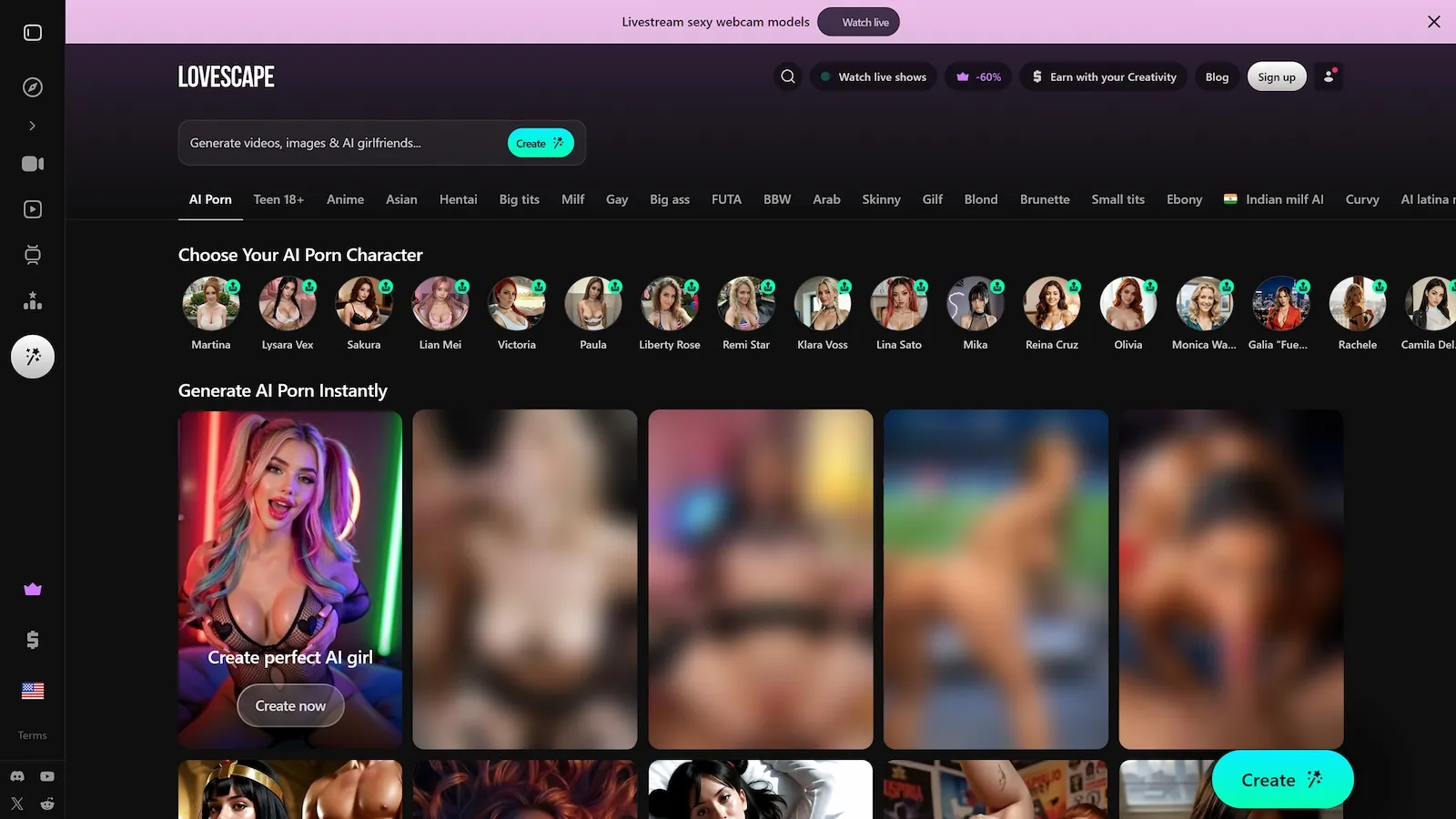
| Deep character customization | Many editable traits, scenario support | Lovescape |
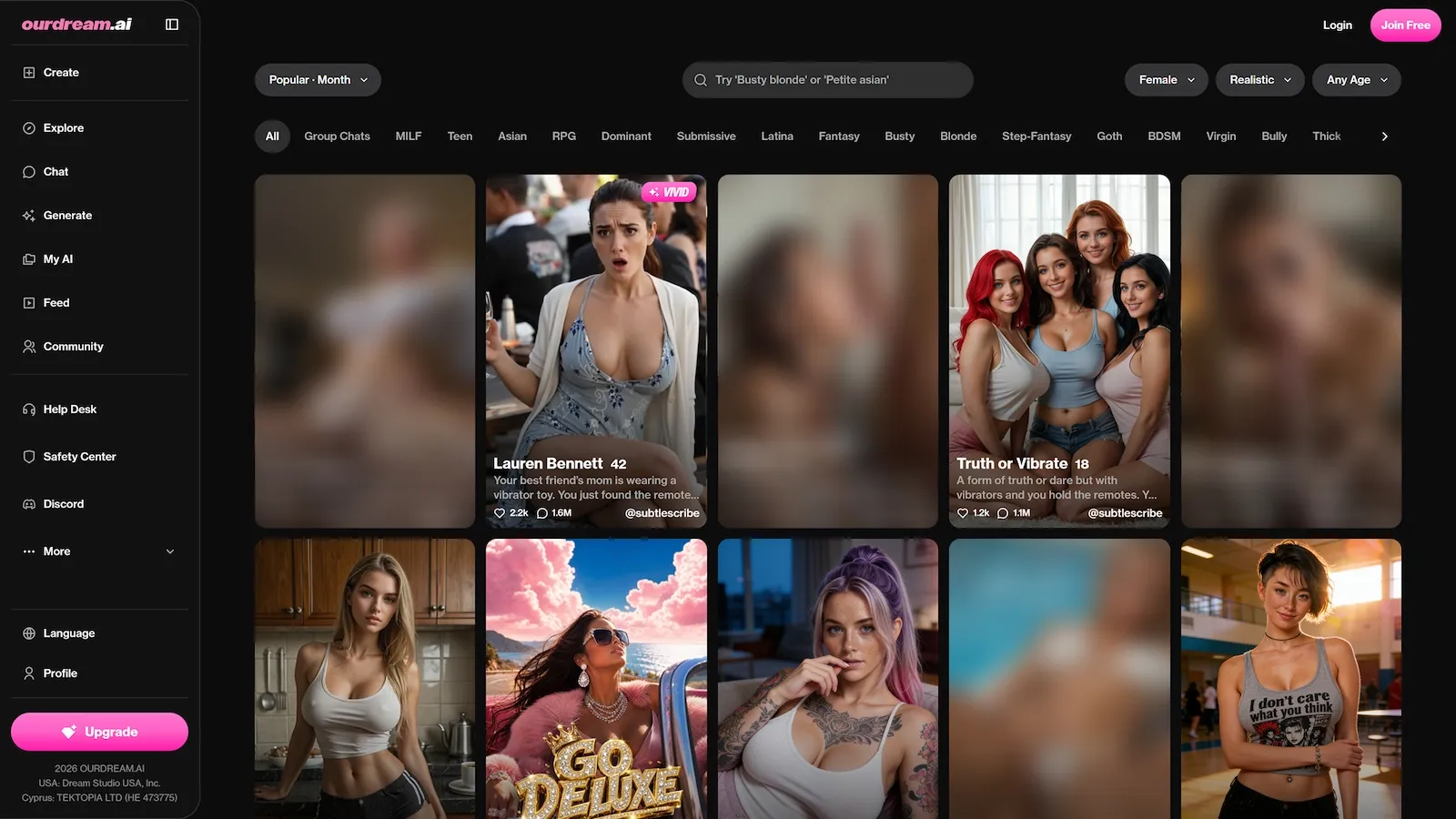
| Realistic, consistent images | Character-locked image generation | OurDream AI |
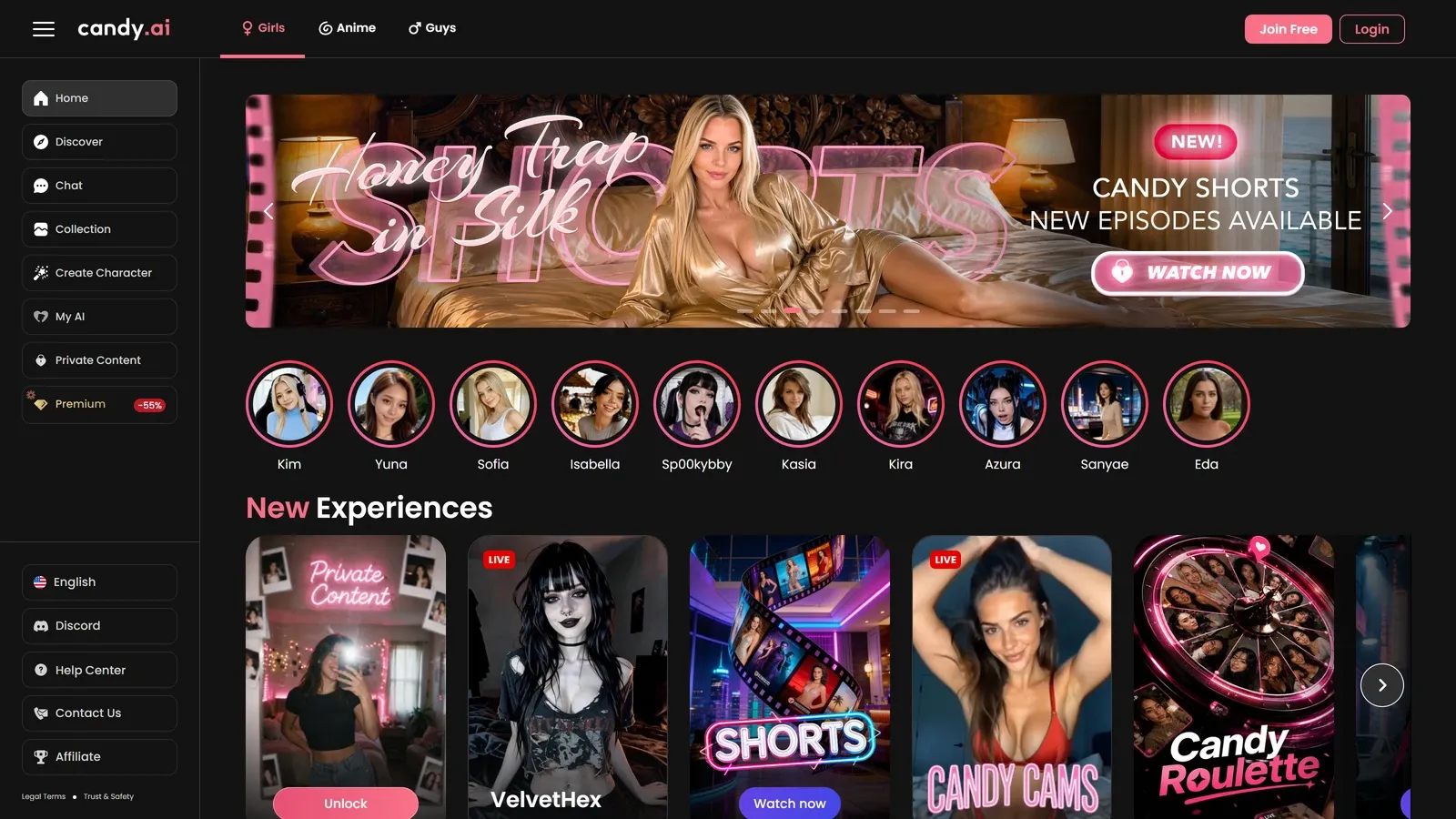
| A polished all-round experience | Balanced chat, visuals, and interface | Candy AI |
Every platform here has a free tier, so you can create a companion on two or three and compare before paying for any of them. That is genuinely the fastest way to decide.
Step 2: Design the appearance
This is the easy part and the part people over-invest in. Most creators offer presets plus sliders for the obvious attributes. Two things worth knowing:
Consistency matters more than the initial look. A stunning first image is worthless if the face changes every generation. This is the single biggest quality gap between platforms.
Do not attempt real people. Reputable apps block it, and generating intimate imagery of a real, identifiable person without consent is illegal in many places. Any app that permits it is one to walk away from.
Step 3: Write a personality that holds up
Here is where the outcome is actually decided. The mistake almost everyone makes is writing adjectives instead of specifics.
Weak: Kind, funny, loves music.
Strong: Blunt but warm — teases you when you are being dramatic. Works nights as a sound engineer, so she is awake at 3am and unimpressed by early risers. Obsessive about vinyl, dismissive of playlists. Says “anyway” when she wants to change the subject.
The second version gives the model behaviour to imitate: a speech tic, an opinion to defend, a schedule that shapes when and how she talks. That is what stops the drift into generic-assistant voice.
Three things worth including:
- A verbal habit — a phrase, a rhythm, a way of deflecting
- At least one strong opinion — something she will push back on you about
- A concrete daily life — a job, a routine, a place
Step 4: Set the relationship context
Most platforms let you define how you two know each other. This shapes the opening tone significantly. “Met last week at a bookshop” produces a very different conversation from “together three years, comfortable and a bit sarcastic.” Pick the one you actually want, rather than defaulting to whatever the app suggests.
Step 5: Test it properly before paying
Run a real conversation, not a two-minute sample. Specifically:
- Go 30+ messages deep. Drift usually appears somewhere after message twenty.
- Mention a personal detail early, then ask about it much later — that tests memory, the thing that separates good apps from mediocre ones.
- Change the subject abruptly and see whether the character holds.
- Generate the same character several times to check image consistency.
If it survives all four, the app is worth paying for. If it fails on memory, no amount of customization will fix the experience.
Common mistakes
Vague personality. Covered above — it is by far the most common reason companions feel flat.
Over-long backstory. Three vivid sentences beat three paragraphs. Excess detail dilutes the instruction rather than enriching it.
Judging on the first five messages. Almost every app is impressive for five messages. The differences show up at message fifty.
Ignoring the token cost. Image generation is usually metered separately from the subscription. If you plan to generate heavily, price that before committing annually.
If you want the shortcut, our ranking of the best AI girlfriend apps orders them by tested performance across six weighted pillars — conversation and memory carry the most weight precisely because they decide whether the companion you build feels real past the first evening.